In the icy middle of the Bering Strait lie two rocky islands separated by just 2.4 miles (3.8 km) of open water. Yet when it is 9:00 AM on Thursday on Little Diomede (USA), it is 6:00 AM on Friday on Big Diomede (Russia).
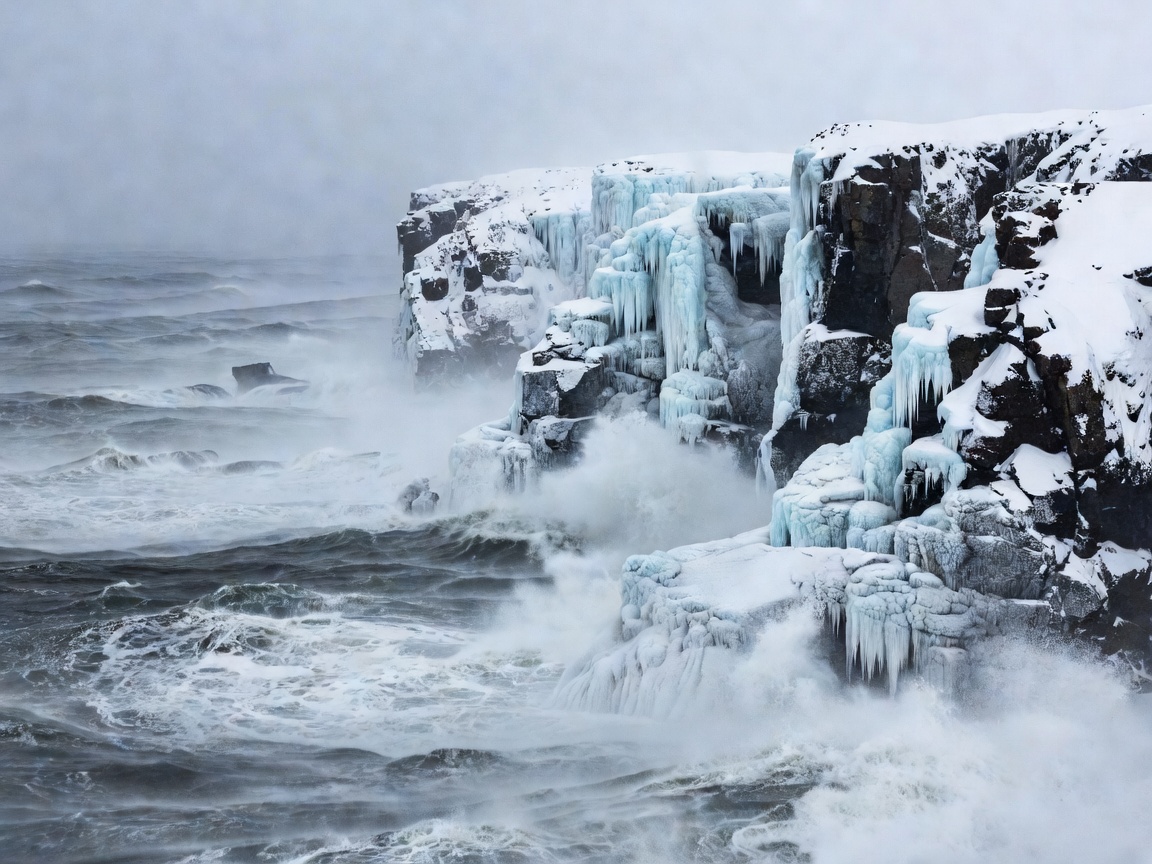
Yesterday Island and Tomorrow Island
The eastern island, Little Diomede (Iñupiaq: Iŋaliq), is part of the state of Alaska, USA, and hosts a tiny Native village of approximately 80 people. The western island, Big Diomede (Russian: Ostrov Ratmanova), is the easternmost point of the Russian Federation and is occupied solely by a Russian military base and weather station.
When the United States purchased Alaska from the Russian Empire in 1867, the bilateral treaty specified that the new maritime boundary would pass equidistant between the two Diomede islands. Later, the International Date Line was drawn straight down this exact same maritime corridor.
The 21-Hour Discrepancy
Because Little Diomede observes Alaska Standard Time (UTC-9 / UTC-8 DST) and Big Diomede operates on Kamchatka Time (UTC+12), the actual time difference ranges between 20 and 21 hours depending on daylight saving status. An observer standing on the beach in Alaska looking across the water with binoculars is literally gazing into tomorrow.
Walking to Tomorrow During the Cold War
In mid-winter, thick sea ice bridges the 2.4-mile gap between the two islands. In theory, an individual could walk from the United States into Russia and travel almost a full day forward in time in about 45 minutes on foot.
During the Cold War, this section of the frontier became known as the Ice Curtain. Crossing the ice was strictly forbidden under threat of armed interception. In August 1987, American marathon swimmer Lynne Cox made history by swimming across the freezing 2.4-mile span without a wetsuit, an act praised jointly by Ronald Reagan and Mikhail Gorbachev as an olive branch in superpower relations.